





Where clarity begins and resilience grows.
At Mindbeing, mental health is treated as inseparable from the whole person. Dr Anastasia Tzampazidou — psychiatrist and psychotherapist trained for ten years at major hospitals in Germany — provides individualised care that pairs scientific rigour with genuine, human presence.
Mental health care done properly — without compromises.
- Biopsychosocial model: body, mind and context addressed together.
- Goal-focused Cognitive Behavioural Therapy (CBT).
- Medication treated as an equal tool when clinically indicated — never as a last resort.
There is no “default” treatment at Mindbeing. Every path is shaped around the diagnosis, the goals and the pace that fit you. Where helpful, family members are involved as part of the therapeutic process.
Care shaped around your needs
Evidence-based
Diagnosis and treatment grounded in current scientific evidence and international clinical guidelines.
Confidentiality
Everything you share is protected by strict medical confidentiality and the Greek Code of Medical Ethics.
Goal-directed path
Clear therapeutic goals, regular reassessment, and practical tools you can apply in everyday life.
Family involvement
Where helpful, family members are involved as a supportive part of the therapy — always with your explicit consent.
Adult mental health care
Mindbeing offers individualised care for the principal psychiatric conditions of adulthood. The full scope covers more — see the complete list on the Services page.
Depression
From persistent low mood and loss of interest to severe depressive episodes. A combination of psychotherapy and, where indicated, medication.
Anxiety disorders & panic attacks
Generalised anxiety, panic attacks, social anxiety, specific phobias. CBT is first-line treatment with high response rates.
Obsessive-compulsive disorder (OCD)
Intrusive thoughts and repetitive behaviours that consume time and energy. Targeted CBT and, where needed, pharmacological support.
Bipolar disorder
Diagnosis, stabilisation and long-term management. Properly treated, bipolar disorder allows for a stable, full daily life.
Sleep disorders
Insomnia, disrupted sleep, non-restorative sleep. Investigation of underlying causes and CBT for insomnia (CBT-I) as an effective, non-pharmacological option.
Burnout
When work has depleted you — physically, emotionally and cognitively. Assessment, practical interventions and return to function.
Mind & Being. Two facets, one care.
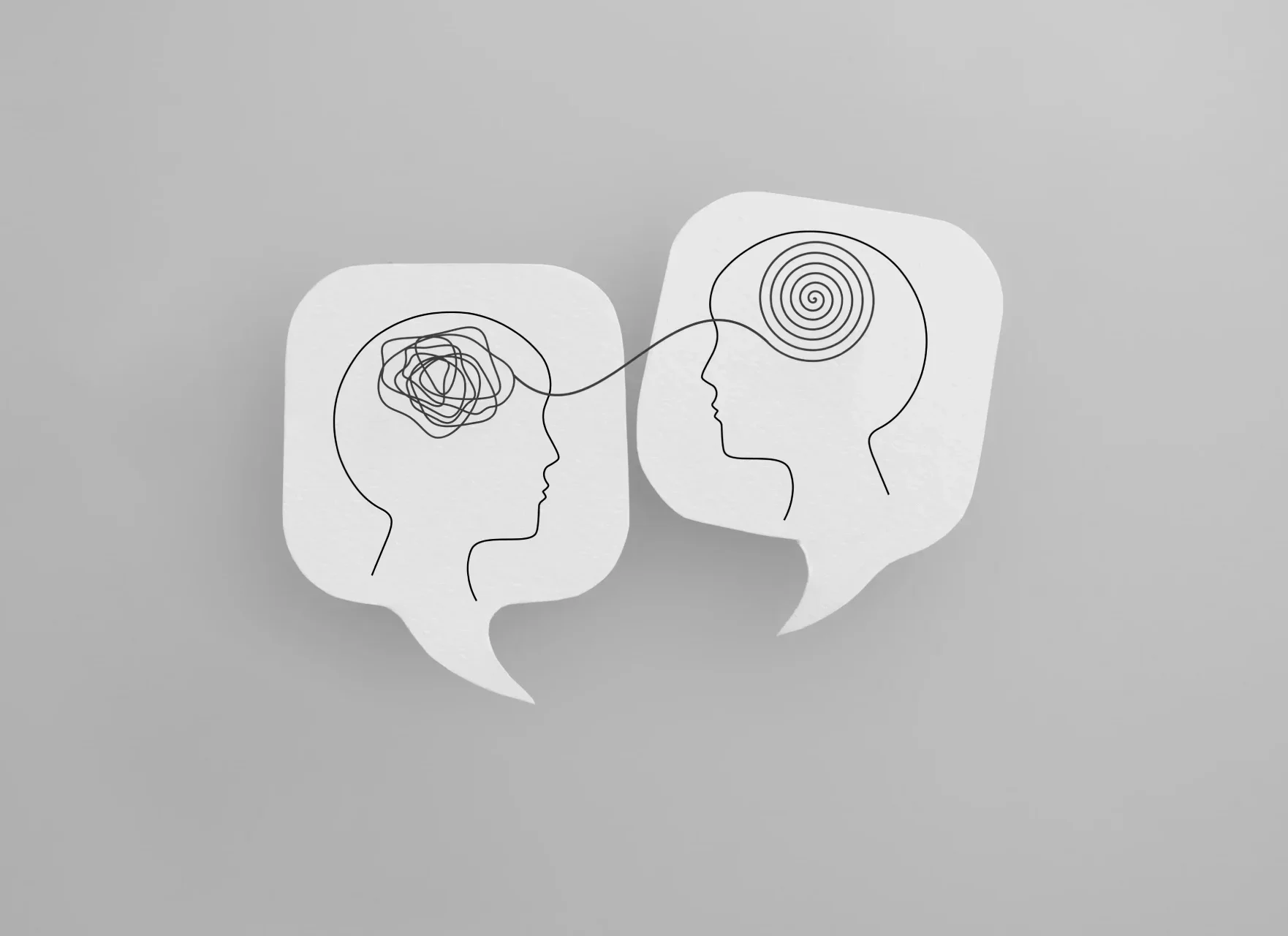
Mental health cannot be separated from the body, relationships, work or environment. At Mindbeing, treatment addresses the whole person: through psychotherapy, the right medication when needed, and — from Q4 2026 — through repetitive transcranial magnetic stimulation (rTMS) for specific indications
Read what our patients say
Patient reviews are hosted on Doctoranytime, in an external, verified environment. This choice respects the Greek Code of Medical Ethics and ensures the authenticity of every comment.
You do not have to reach breaking point to ask for help
Psychiatry and psychotherapy are not only for “major” crises. Many people start treatment when they recognise one of the following.

When symptoms overflow daily life
Persistent anxiety, low mood, difficulty sleeping or concentrating that does not lift with time.

Through major transitions
Career changes, divorce, bereavement, motherhood, relocation, serious illness — moments when your inner compass needs realignment.

When you do not recognise yourself
Behaviours, thoughts or feelings that do not feel like you, or that frighten you to examine alone.

When you want integrated care
When you want care that addresses biology, psychology and life context together — rather than fragmented approaches.
Sessions available in Greek, German and English — fluent training and clinical practice in all three.
Coming to Mindbeing: rTMS
Repetitive transcranial magnetic stimulation (rTMS) is a non-invasive, drug-free treatment internationally recognised for treatment-resistant depression and OCD. Mindbeing will be among the first private practices in Thessaloniki to offer it.
Clear answers to the most common questions
What is the difference between a psychiatrist, a psychotherapist and a psychologist?
A psychiatrist is a medical doctor — six years of medical school plus a psychiatric specialty. They are the only mental health professionals who can prescribe medication. A psychologist holds a psychology degree — they are not a medical doctor and do not prescribe. A psychotherapist can be a psychiatrist, a psychologist or another mental health professional with the relevant certification. Dr Tzampazidou is both a psychiatrist and a certified Cognitive Behavioural psychotherapist.
What happens in a first session?
The first session lasts 50–60 minutes, the same as every subsequent one. It focuses on understanding what brings you in, your medical and psychiatric history, and your goals. By the end we agree on a proposed care plan — so you leave with a clear picture of what comes next.
How long does treatment last?
It depends on the diagnosis and goals. CBT is typically planned over 12–20 sessions with regular reassessment. In other cases (e.g. bipolar disorder, psychotic disorders), follow-up is long-term.
Is everything I share confidential?
Yes. Everything you share is protected by strict medical confidentiality. The limited legal exceptions (e.g. imminent risk to your life or another person’s) are explained clearly in the first session.
Do you offer online sessions?
Yes. Online sessions take place via a secure platform and are suitable for most cases. The first session is generally recommended in person; subsequent ones can alternate.
In which languages are sessions held?
Greek, German and English. Dr Tzampazidou worked for ten years in German hospitals — German clinical terminology is part of her everyday practice, not a second language.